
“He Begged for His Life”: Outrage as Police Officer Shoots Restrained Young Man in Delta
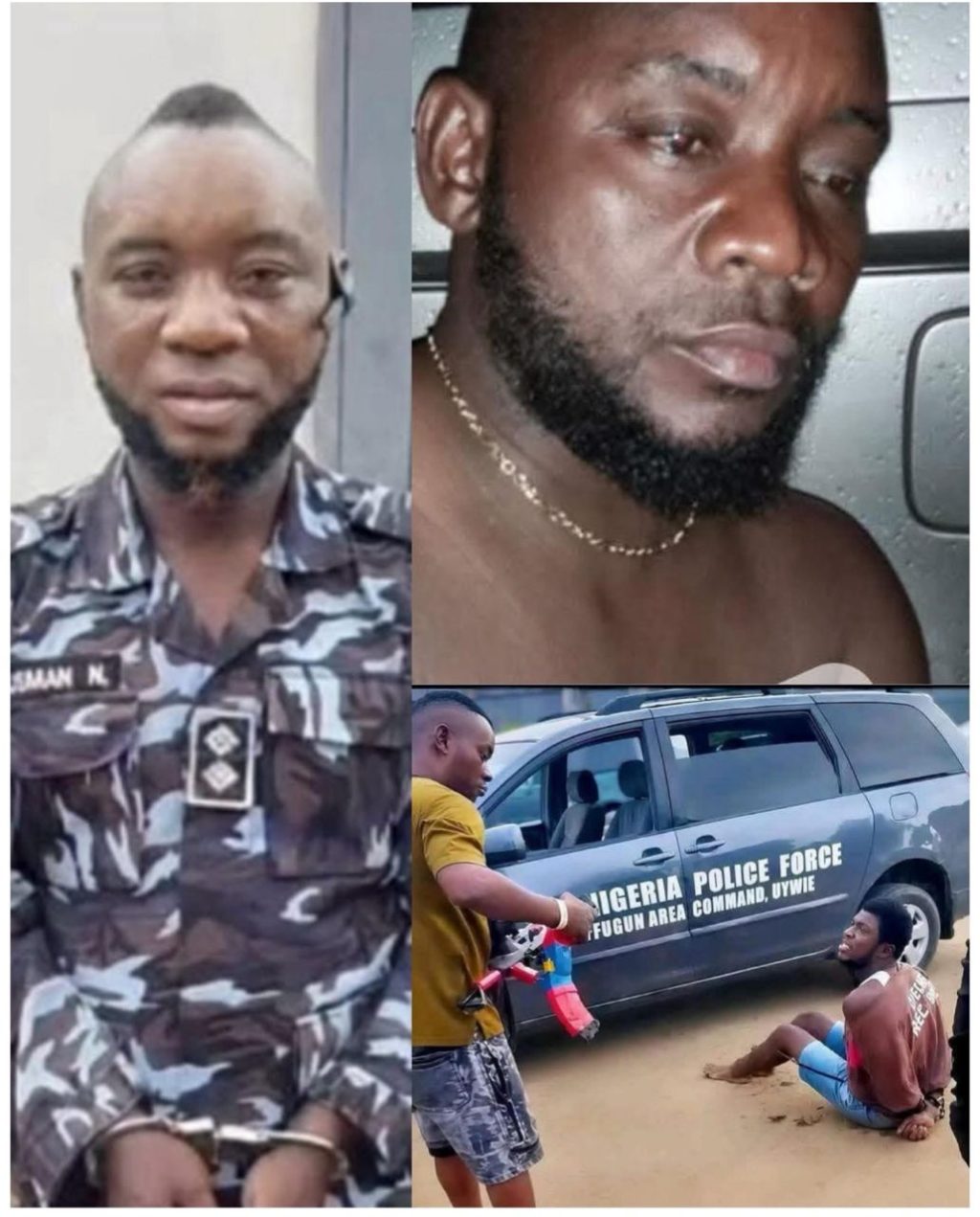
Effurun, Delta State – Sunday, April 26, 2026
What began as a routine police stop in Effurun, Delta State, ended in a moment that has shaken Nigeria to its core – the fatal shooting of a restrained young man in full public view.
The incident, which occurred on Sunday, April 26, 2026, has since gone viral, triggering widespread anger, disbelief, and renewed scrutiny of police conduct across the country.
According to eyewitness accounts and widely circulated video footage, the young man named Mene Ogidi was intercepted by officers attached to the Effurun Area Command under circumstances that are still being pieced together.
What is known, however, is deeply troubling.
The man had already been:
• apprehended
• physically restrained
• surrounded by armed officers
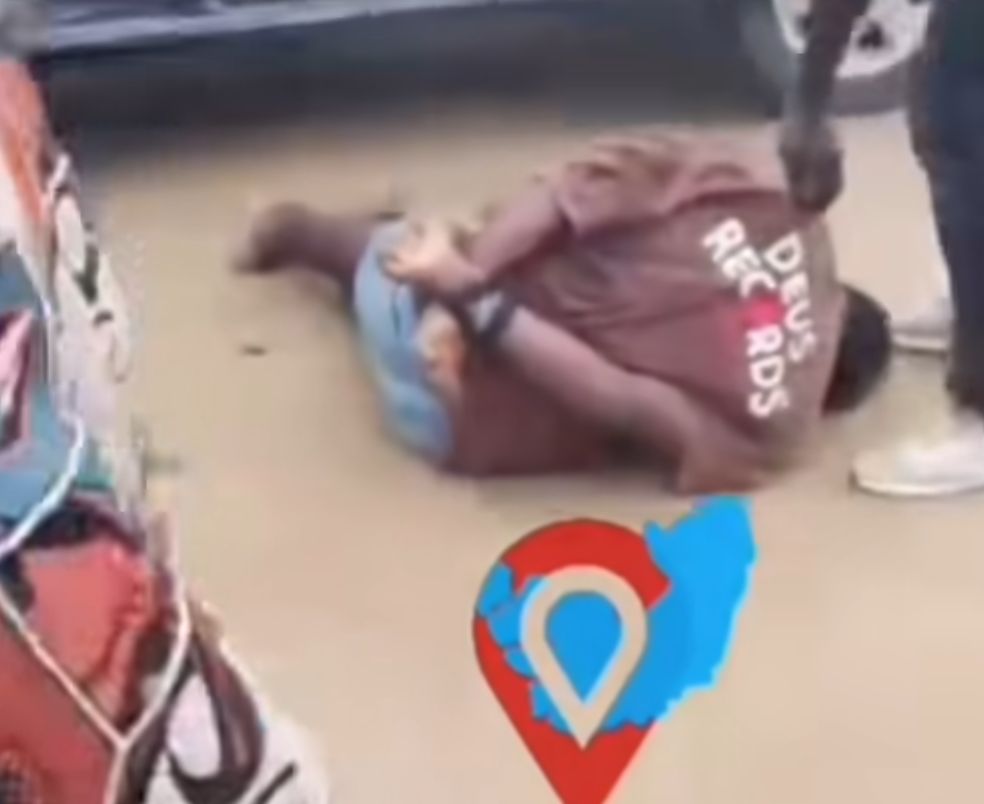
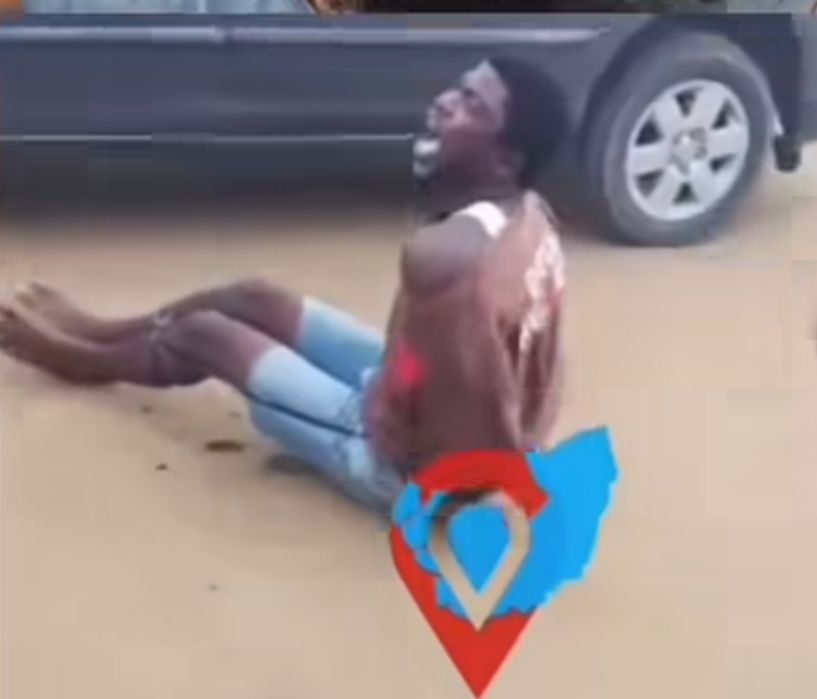
Reports indicate his hands and legs were tied, leaving him completely subdued and unable to escape. Despite this, the situation escalated in a way many Nigerians are struggling to understand.
In the now-viral video, the victim appears visibly distressed, pleading and attempting to communicate with the officers around him. His voice, though not fully clear in all clips, reflects fear – the kind that comes from someone who knows his life is in danger. Moments later, a gunshot rings out. He is shot at close range.
The Officer at the Center
The officer identified in connection with the shooting is Assistant Superintendent of Police (ASP) Nuhu Usman. Eyewitnesses say he fired the fatal shot while other officers stood by. The presence of multiple officers at the scene has since raised a critical question:
Why did no one intervene?
Reports emerging after the incident suggest that ASP Usman had previously served in the now-defunct SARS unit – a division of the police force that was disbanded in 2020 following nationwide protests over allegations of brutality, torture, and extrajudicial killings.
There are also claims of prior complaints linked to his conduct, though the full extent and official record of those allegations remain unclear.
Why He Was Arrested in the First Place
Information gathered from various social media accounts and local sources suggests that the victim’s initial encounter with the police may have been linked to a weighbill-related transaction.
According to these accounts:
• The young man had reportedly gone to collect or process a package
• The package was said to contain a firearm
• He was allegedly unaware of the contents at the time
This detail has not yet been fully confirmed by official police statements. However, what has intensified public outrage is not just why he was arrested, but what happened after he was already under control. Even if suspicion existed, many argue, the use of lethal force on a restrained individual is indefensible.
A Video That Sparked a Nation’s Anger
The video of the shooting spread rapidly across social media platforms on April 28 and 29, just days after the incident. Within hours, it became one of the most talked-about topics online in Nigeria.What made the footage especially disturbing was not just the act itself, but the sequence of events:
• A restrained man
• Surrounded by officers
• Pleading
• Then shot
For many viewers, it did not look like a confrontation. It looked like something else entirely.
Following intense public backlash, the Delta State Police Command confirmed that ASP Nuhu Usman has been arrested.
He has since been:
• taken into custody
• transferred to Abuja
• placed under investigation
Authorities have stated that he will face:
• internal disciplinary proceedings
• possible criminal prosecution
The Inspector-General of Police has also reportedly reached out to the victim’s family, offering condolences and assurances that justice will be pursued.
In the aftermath, a statement from a police spokesperson added fuel to the fire. The officer’s actions were described as difficult to explain, with a suggestion that it could be linked to a “spiritual problem.”
That explanation did not sit well with the public. Many Nigerians saw it as:
• dismissive
• unprofessional
• an attempt to avoid institutional responsibility
Critics argue that such language shifts focus away from systemic issues and places blame on vague, unverifiable causes. Across Nigeria, reactions have been swift and emotional. On social media, many users described the act as:
• “cold-blooded”
• “inhumane”
• “a public execution.”
For others, the incident reopened wounds from the #EndSARS movement – a reminder of the very issues that led thousands of young Nigerians to protest in 2020.
A common theme in public discourse has been this: “If a man is already restrained, what justifies pulling the trigger?”
As investigations continue, several pressing questions remain:
• Why was lethal force used on a restrained suspect?
• Who were the other officers present, and what role did they play?
• Were proper arrest and detention procedures followed?
• Will this case lead to real accountability, or fade like others before it?
This incident is no longer just about one officer or one victim. It has become a symbolic test of:
• police reform
• institutional accountability
• the value placed on human life
For many Nigerians, justice in this case will not be measured by statements, but by visible, decisive action.
A Life Lost, A Nation Watching
Beyond the headlines and the debates, one reality remains unchanged: A young man who was alive, restrained, and pleading… is now dead. And as the investigation unfolds, millions are watching closely, not just for answersbut for something deeper: proof that this time it will not end the same way.