EDEMANI AMEBO IBAGWA-AKA INAUGURATES 13 COMMITTEES, SUPERVISORY COMMISSION TO DRIVE DEVELOPMENT
By Onyekachi Onah
April 12, 2026
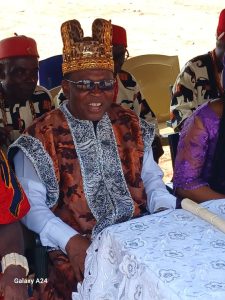
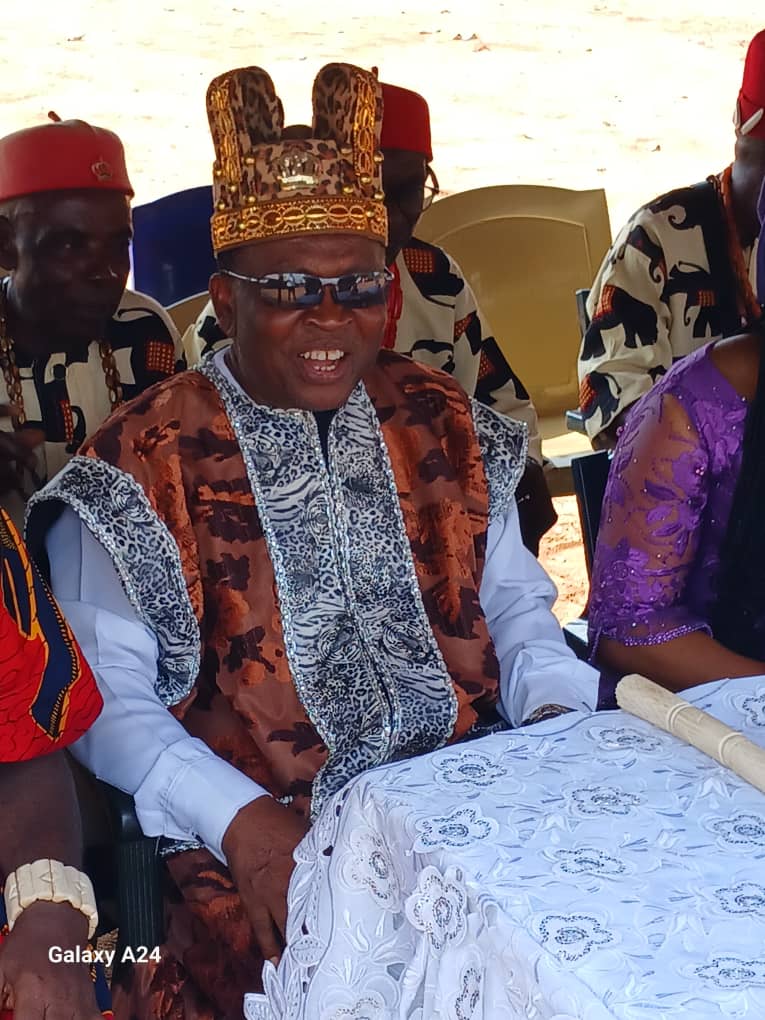
In a landmark move aimed at strengthening grassroots governance and accelerating development, His Royal Highness, Igwe Professor Ikenna S. Omeje, on Saturday, 11th April, 2026, inaugurated a Supervisory Commission and thirteen strategic committees to steer the affairs of Edemani Amebo Ibagwa-Aka Autonomous Community in Igbo-Eze South Local Government Area of Enugu State. The historic event, held on the traditional Orie market day, drew an impressive gathering of dignitaries, including members of the Igwe-in-Council, the Town Union leadership, Council of Elders (Ndi Oha), Women and Youth Councils, as well as sons and daughters of the community from far and near. Delivering his inaugural address, the monarch described the occasion as “a pivotal moment” in the life of the young autonomous community, emphasizing the need for structured governance, unity, and purposeful leadership to secure a prosperous future. “We gather not just to perform a ceremony, but to dig a resource-well that will sustain the identity of Edemani Amebo Ibagwa-Aka for generations to come,” the royal father declared, drawing applause from the audience.
A Vision for Structured Development
Igwe Omeje noted that the newly constituted bodies were carefully selected based on integrity, competence, and commitment to community service. He charged members to discharge their duties selflessly, warning against personal interests and divisive tendencies. “Let your work be guided by truth, not by politics. Let your decisions be for the collective good, not for personal gain,” he admonished. He further assured the committees of full support from the Palace and called on all stakeholders, including village heads and the Town Union, to cooperate with the new structures for effective governance.
Supervisory Commission: The Watchdog
Central to the new administrative framework is the Edemani Amebo Supervisory Commission, established as the coordinating and oversight body for all committees. The Commission is mandated to monitor performance, ensure alignment with assigned responsibilities, and prevent overlap of duties among committees. Observers at the event described the Commission as a “strategic innovation” designed to enhance accountability and efficiency in community administration. The Commission is headed by the President General of the Community, Chief Nelson Onugwu (Ichie Omekannaya).
The Committees and Their Mandates
The thirteen committees inaugurated cover critical sectors of community life, reflecting a holistic approach to governance and development. These include:
• Land Matters Committee – to handle land disputes, documentation, and allocation issues.
• Family Matters Committee – to promote domestic harmony and resolve family conflicts.
• Social Matters, Disputes & Peace Committee – to mediate interpersonal and communal conflicts.
• Religion & Inter-Faith Committee – to foster religious harmony and cultural integration.
• Cultural Troupes Committee – to promote traditional arts, music, and performances.
• Palace Maintenance & Security Committee – to oversee palace infrastructure and security.
• Trade, Commerce & Industry Committee – to boost economic activities and entrepreneurship.
• Transportation & Transit Committee – to regulate mobility and transport systems.
• Media & Publicity Committee – to manage communication and public relations.
• Advisory & Guidance Committee – to provide strategic counsel to the Palace.
• Agriculture Committee – to enhance food security and rural livelihoods.
• Heritage & Culture Committee – to preserve history, traditions, and identity.
• Special Purpose & Rapid Response Committee – to address urgent needs and attract development projects.
Each committee is expected to function as an advisory and operational arm of the Traditional Institution. It must be observed that there is an already existing Security Committee which is very functional.
Inclusive Governance Structure
The composition of the committees reflects a deliberate inclusion of cabinet chiefs, elders, women, youth representatives, professionals, and religious leaders. This broad-based representation, stakeholders noted, is intended to foster participatory governance and strengthen communal ownership of development initiatives. Speaking with reporters after the ceremony, a respected member of the Royal Cabinet, Professor Didacus C. Eze described the development as “a new dawn,” noting that the initiative would “institutionalize order, discipline, and progress in the community.” Also lending his voice, Professor Ejikemeuwa J. O. Ndubisi commended the monarch for what he termed “a visionary and intellectually grounded approach to traditional governance.” He observed that the structure of the committees reflects a synthesis of tradition and modern administrative logic, adding that “this model, if sustained, will not only deepen communal cohesion but also position Edemani Amebo as a reference point in grassroots governance within Igbo land.” In a similar vein, the President-General of the Town Union, Chief Nelson Onugwu, described the inauguration as “a bold and timely intervention in the developmental journey of the community.” He emphasized that the Town Union would work in synergy with the committees to ensure effective implementation of policies and programmes, noting that “this inclusive framework gives every segment of the community a voice and a responsibility in shaping our collective future.” Observers noted that the convergence of intellectuals, traditional authorities, and grassroots representatives within the governance structure signals a renewed commitment to unity, accountability, and sustainable development in Edemani Amebo Ibagwa-Aka.
Cultural Identity Meets Modern Governance
In his speech, Igwe Prof. Omeje stressed the importance of balancing tradition with modernity, warning against cultural erosion in the face of globalization. “If we do not anchor ourselves in our heritage while advancing in development, we risk losing what makes us unique,” he cautioned. He expressed optimism that the committees would catalyze improvements in character, social cohesion, economic growth, and cultural pride, envisioning a future where the community becomes a model of development in Enugu State.
Hope, Prayers, and a Call to Duty
The ceremony concluded with prayers for wisdom and guidance for the appointees, as the monarch formally declared the committees inaugurated by the authority vested in him as the Traditional Ruler. “May our community flourish under your stewardship,” he prayed. Residents who spoke to our correspondent expressed optimism that the initiative would usher in a new era of peace, accountability, and sustainable development.
As Edemani Amebo Ibagwa-Aka charts this ambitious course, expectations are high that the newly constituted bodies will translate vision into tangible progress, setting a precedent for community-driven governance across the region.